
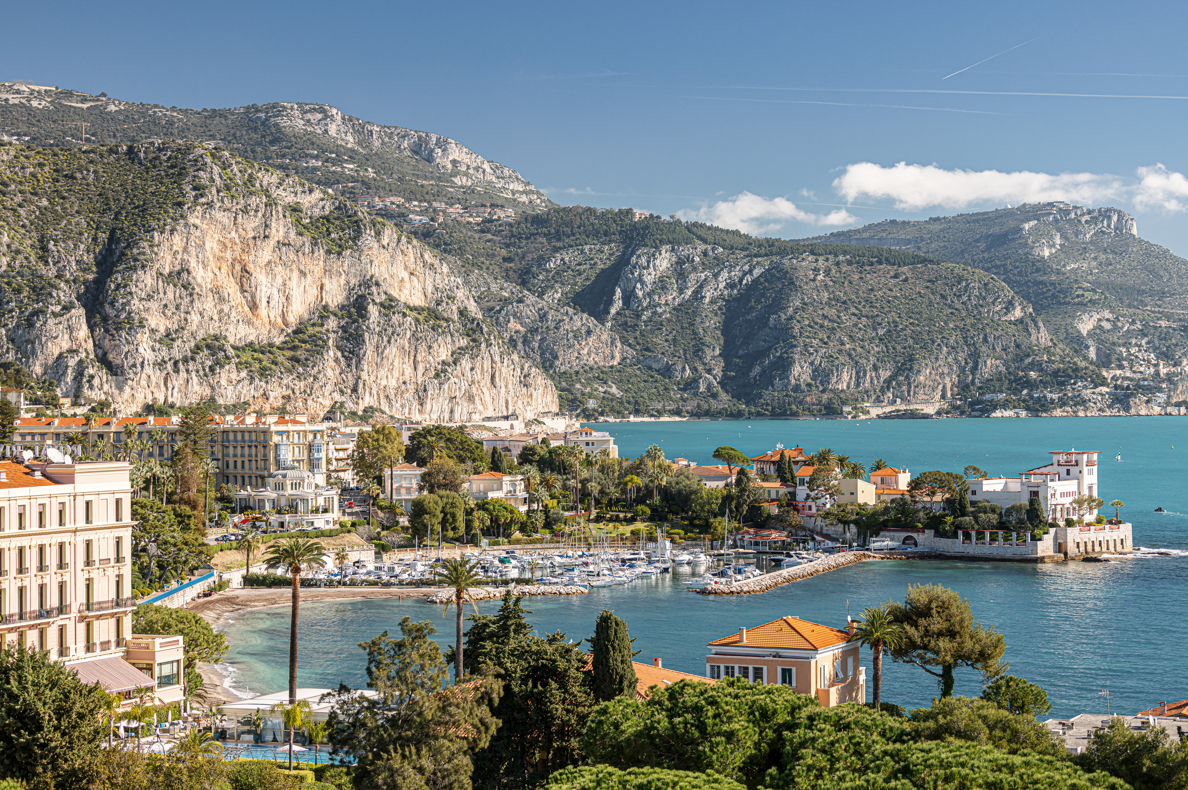
Yes. Monaco residents can buy freely in France: French law does not impose special restrictions on foreign purchasers, whether the property is a second home, a buy-to-let investment or a family home.
The process is the standard French one. Once an offer is accepted, a preliminary contract is usually signed (either a compromis de vente or a promesse de vente). It sets out the terms and the timeline leading to the final deed. The transaction becomes final when the authentic deed is signed before a notary, and ownership is transferred.
The notary is central to the process. As a public official, they secure the legal aspects of the sale, verify the property’s status (title, easements, planning rules, mortgages/charges), ensure the file is compliant, collect the relevant taxes and duties, and register the deed.
Buying personally is the simplest route and requires no special holding structure.
On purchase, you pay transfer taxes and costs commonly referred to as “notary fees.” For existing properties, these typically come to around 7–8% of the purchase price, largely made up of taxes, plus the notary’s statutory fees.
If you rent the property out, the rental income is taxed in France. It must be declared to the French tax authorities under the rules for non-residents, and may also be subject to additional levies.
If you sell later, any capital gain on French real estate is taxed in France. The gain is calculated from the purchase price, eligible works, and holding-period allowances.
Finally, French property can fall within the scope of the French real estate wealth tax (IFI) if the net value of the real-estate assets held in France exceeds the legal threshold—so Monaco residents may be concerned for their French holdings.
Some buyers prefer to hold French real estate through a Monaco-based SCI, a civil company designed to own and manage property. In this setup, the owners hold shares in the company rather than owning the property directly.
A Monaco SCI is broadly similar in spirit to a French SCI, but it is incorporated and governed under Monaco law. Even so, when it owns property in France, French real-estate rules—legal and tax—still apply.
This structure is often used for wealth planning: it can simplify joint ownership and make the transfer of family assets easier to organise, since shares are generally more flexible to manage and pass on than a property held directly.
In the France–Monaco context, it may also be part of a wider discussion around inheritance planning and which succession rules apply, given the conventions between the two countries.
That said, setting up a Monaco SCI should be assessed carefully. French reporting and tax obligations still apply to French property, so legal and tax advice is key to securing and tailoring the structure to your objectives.
France and Monaco have bilateral arrangements that help determine which country taxes real-estate income and capital gains.
The guiding rule is simple: real estate is taxed where it is located. A property in France is therefore taxable in France even if the owner lives in Monaco—both rental income and any gain on resale.
There can be specific consequences for Monaco residents who are French nationals: in certain cases, France may still tax them on their worldwide income. This can materially affect how a French property investment is assessed.
Overall, these arrangements provide clarity and a stable framework for Monaco residents buying on the French Riviera.
Monaco residents can borrow through a Monaco bank or a French bank. In practice, many buyers work with their Monaco bank, particularly where a private-banking relationship already exists.
Loan decisions typically rely on a global review of the borrower’s situation: income, assets, and overall wealth structure. In private banking, the approach is often more holistic than in standard mortgage lending.
Security can take different forms: a mortgage on the French property, a pledge over financial assets held at the bank, and/or a down payment depending on the buyer’s profile and the project.
Buying in France from Monaco follows the standard French transaction timeline under a strict legal framework.
First comes the property search, often with an agent. Once the property and terms are agreed, the buyer makes an offer detailing the price and key conditions.
If accepted, a preliminary contract is signed. The buyer then benefits from a statutory 10-day cooling-off period from notification.
The purchase completes when the authentic deed is signed before the notary: funds are transferred, ownership passes to the buyer, and the notary handles registration and publication with the land registry.
The market on Monaco’s doorstep has its own realities. Purchases by Principality residents often come with wealth, legal and tax considerations that require a strong grasp of cross-border issues.
A specialist agency understands these dynamics and can introduce the right professionals—notaries, lawyers and tax advisers—to structure the transaction securely.
It can also open doors to local networks and off-market opportunities. In a highly sought-after area like the Riviera near Monaco, a meaningful share of transactions is handled confidentially.
This site is protected by reCAPTCHA and the Google Privacy Policy and Terms of Service apply.